Buy Property in Turkey has become an attractive option for international buyers looking for a...


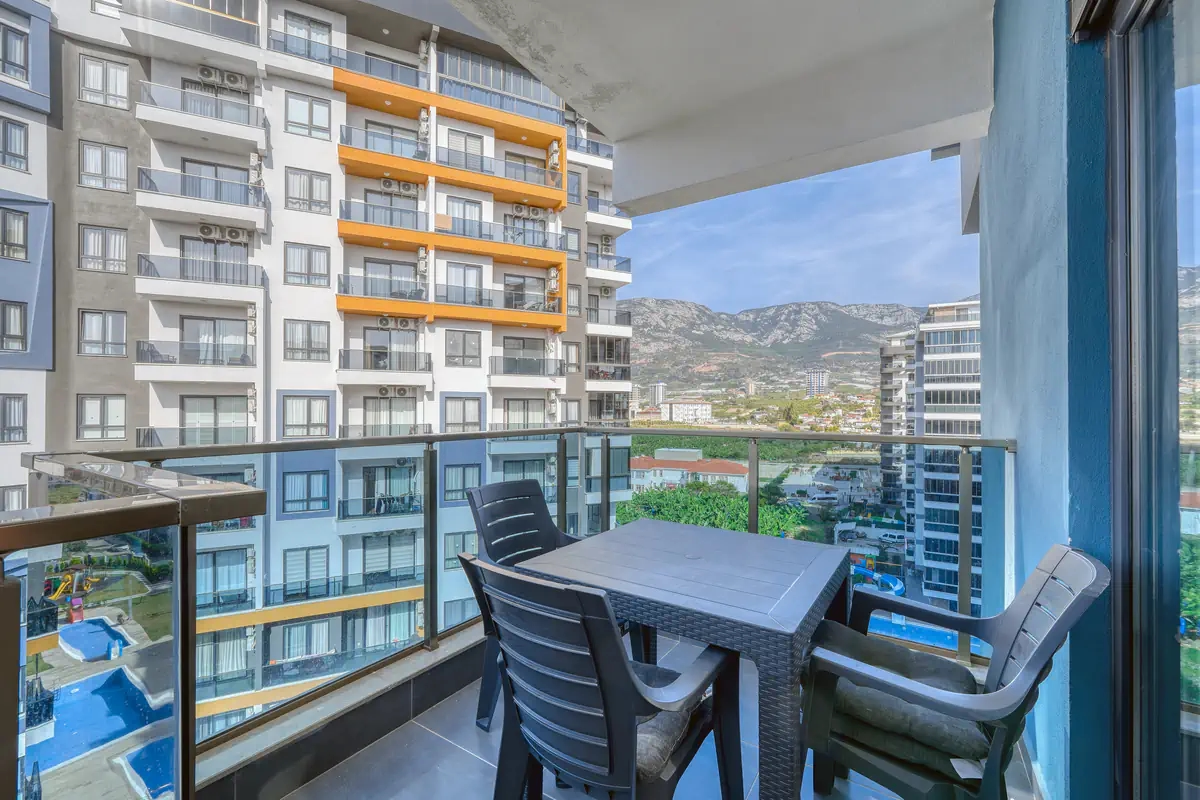

Turkey has quietly become one of the go-to destinations for foreign property buyers, and it's not hard to see why. Between the coastline, the lower price tags compared to most of Europe, and a path to citizenship that actually works for a lot of people, buying real estate in Turkey as a foreigner has become an attractive option for buyers from the UK, Germany, Russia, the Gulf states, and increasingly further afield. But buying property in a country where you don't speak the language and don't know the legal system? That's where most people get stuck. Here's what the process actually looks like when you buy real estate in Turkey as a foreigner.
Can Foreigners Even Buy Property in Turkey?
Yes and honestly, it's more straightforward than people expect. Turkey allows citizens of most countries to purchase property, with a handful of nationality based restrictions and some limits near military zones or border areas. There's also a cap on how much land a foreign individual can own in a single district, but for a typical apartment or villa purchase, this rarely becomes an issue. A handful of countries still can't buy at all, so it's worth checking your specific nationality before you get too far into house hunting.
Why Alanya Keeps Coming Up?
If you've spent any time browsing listings, you've probably noticed Alanya real estate showing up constantly. There's a reason for that. The town sits on Turkey's southern Mediterranean coast, has a huge expat community already in place, and offers a genuinely wide range of properties from budget-friendly apartments a short walk from the beach to sprawling hillside villas with sea views. Prices here are still noticeably lower than in Istanbul or Bodrum, which is a big part of the draw for first time foreign buyers. Alanya also tends to have English-speaking staff at agencies and clinics, which makes day-to-day life easier if you're planning to actually live there rather than just rent it out.
Understanding "Emlak" Before You Start
You'll run into the word "emlak" constantly once you start searching it simply means real estate or property in Turkish, and most local agencies brand themselves as an "emlak ofisi." A real estate emlak office functions much like an estate agent anywhere else: they list properties, arrange viewings, and often help with paperwork. The catch is that not every emlak office operates to the same standard. Some are excellent, well-established businesses with years of foreign-client experience. Others are small operations that may push you toward properties that pay them the highest commission rather than what actually suits you. Doing a bit of homework on an agency's reputation before signing anything is time well spent.
The Step-by-Step Process to Buy Real Estate in Turkey as a Foreigner
1. Get Tex Number
Before anything else happens, you'll need a Turkish tax identification number. This is quick a short visit to the local tax office with your passport, and you'll usually walk out with one the same day. You can't open a bank account or complete a property purchase without it, so this is always the first stop.
2. Open a Turkish Bank Account
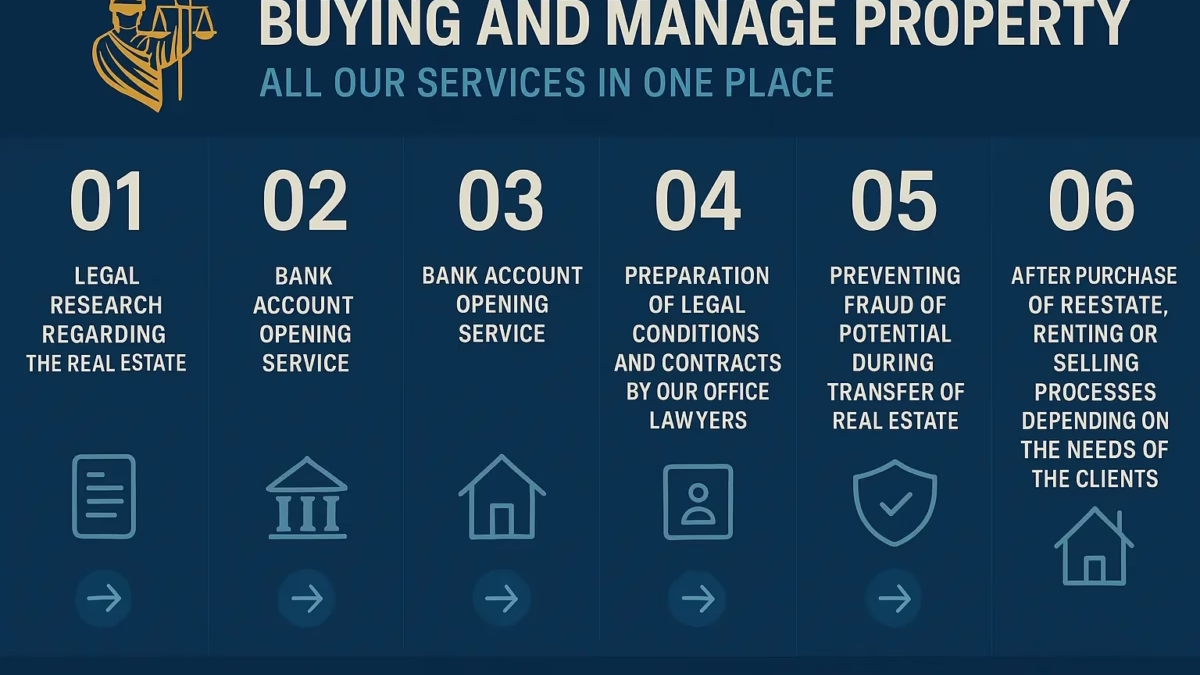
Once you have your tax number, opening a local bank account is straightforward. This account is where your funds will sit for the property transaction, and it also makes ongoing costs utility bills, maintenance fees, taxes — much easier to manage once you own the place.
3. Find the Property
This is where most people start, honestly, even though it technically comes third. Whether you're working with an agency specializing in Alanya real estate or browsing listings across other regions, take your time here. Visit in person if you possibly can. Photos online rarely tell the full story noise levels, actual distance to the beach, construction happening next door, that sort of thing only shows up when you're standing there.
4. Hire an Independent Real Estate Lawyer
This step gets skipped more often than it should, and it's the one that causes the most regret later. A real estate lawyer who works for you not the seller, not the agency will check the title deed for outstanding debts or legal disputes, confirm the property has proper zoning and construction permits, and make sure nothing shady is buried in the contract. The lawyer's fee is small compared to the cost of finding out too late that the property has an unresolved legal issue attached to it. Don't rely on the agency's recommended lawyer without at least getting a second opinion a genuinely independent lawyer has no incentive to rush the deal through.
5. Sign the Sales Contract
Once your lawyer has done the checks, a preliminary sales agreement is usually signed, often alongside a deposit. This locks in the price and terms while the final paperwork gets prepared.
6. Apply for Military Clearance
Foreign buyers need approval confirming the property isn't in a restricted military zone. It sounds intimidating, but in practice it's mostly a formality that your lawyer or agent can handle for you. It typically takes a few weeks.
7. Transfer the Title Deed
The final step happens at the Land Registry Office, where ownership officially transfers into your name and you receive the tapu the Turkish title deed. Both buyer and seller need to be present, along with a sworn translator if you don't speak Turkish.
What About Costs Beyond the Purchase Price?
Buyers often underestimate the extra costs stacked on top of the sale price. Budget for a title deed transfer tax (typically split between buyer and seller, though this is negotiable), a mandatory earthquake insurance policy (DASK), notary and translation fees if documents need certifying, and your lawyer's fee. None of these are huge individually, but together they usually add several percentage points to your total spend, so plan for it upfront rather than being surprised later.
The Citizenship Angle
A big part of why foreign interest in real estate in Turkey has grown so much comes down to the citizenship-by-investment program. Buy property above a certain government-set threshold, hold onto it for a required period, and you become eligible to apply for Turkish citizenship. The exact minimum investment figure changes periodically, so always confirm the current threshold directly rather than trusting an outdated number from a random listing site.
Mistakes Worth Avoiding
Skipping the independent lawyer is the big one it comes up again and again in horror stories from buyers who trusted the seller's paperwork at face value. Rushing the purchase because a listing feels like a "once in a lifetime deal" is another classic trap; good properties come and go, but so do good deals, and there will be more. And finally, not visiting in person before committing is a mistake that's easy to avoid but surprisingly common among buyers purchasing purely off online listings and video calls.Contact For more informtiom
Final Thoughts
Buying property in Turkey as a foreigner isn't complicated once you understand the sequence tax number, bank account, property search, independent legal check, contract, clearance, and finally the tapu transfer. Where things go wrong is almost always about skipping a step or trusting the wrong person with too much of the process. Take your time, get proper legal representation, and the whole thing tends to go a lot more smoothly than the horror stories suggest.
Join The Discussion